
 See My Latest Article on HelloNation
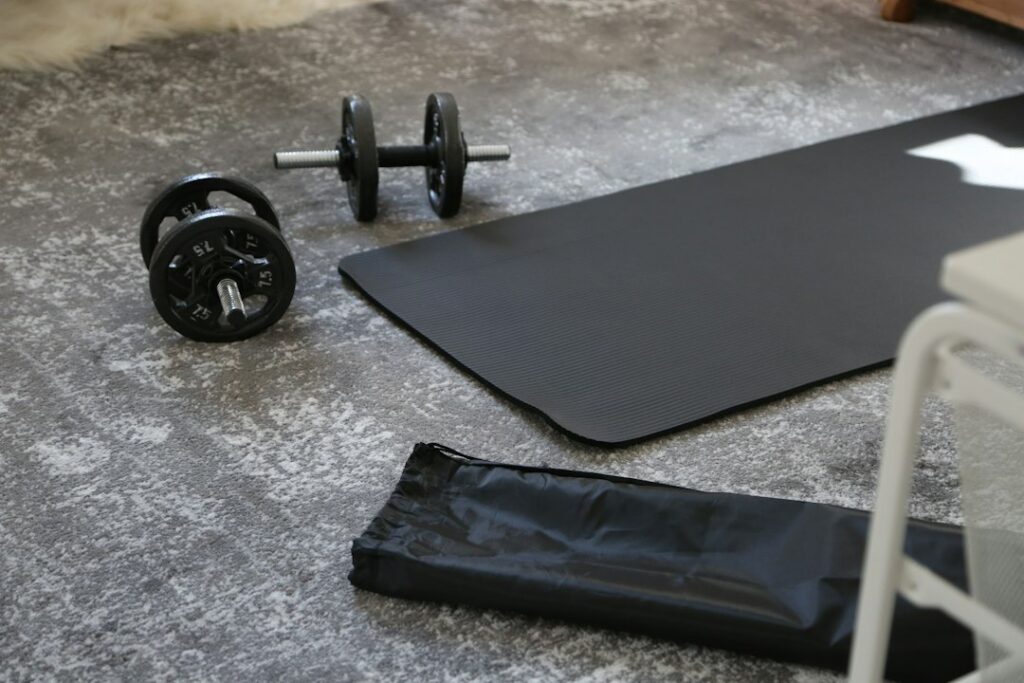
What can a no-equipment workout accomplish?
For residents of South San Francisco, CA, a well-planned home workout can improve strength, balance, mobility, and cardiovascular fitness without weights, machines, or a large exercise area. The most useful routines rely on controlled bodyweight movements, steady pacing, and gradual increases in difficulty.
A no-equipment session can fit in a bedroom, living room, hallway, or other clear area. Most exercises require only enough space to stand, step, lie down, and move the arms safely. A firm floor, supportive clothing, and water are usually sufficient.
The goal is not to make every workout exhausting. A consistent routine that can be repeated two to four times per week is generally more practical than an intense session that leaves a person too sore to continue.
How should a beginner structure a workout?
A beginner-friendly workout can follow four stages:
- Warm-up: 5 minutes
- Strength and movement exercises: 15 to 25 minutes
- Optional cardiovascular interval: 5 to 10 minutes
- Cool-down: 3 to 5 minutes
Start with one or two rounds of the exercises below. Rest for about 30 to 60 seconds between movements, using longer breaks if breathing has not returned to a comfortable level.
Warm-up
A warm-up should raise body temperature gradually and move the joints through comfortable ranges. Try:
- Marching in place for 60 seconds
- Shoulder rolls for 10 repetitions in each direction
- Gentle bodyweight squats for 8 repetitions
- Alternating knee lifts for 30 seconds
- Arm swings and easy torso rotations
The warm-up should feel light. Stretching aggressively before strength work is unnecessary and may make some people feel less prepared for movement.
Which exercises provide the most useful full-body training?
A simple routine can cover the legs, hips, chest, shoulders, back, core, and cardiovascular system with six basic movements.
1. Sit-to-stand squat
Stand in front of a sturdy chair with feet about hip-width apart. Bend the knees and hips to lower toward the seat, then press through the feet to stand. Lightly touching the chair is enough; avoid dropping heavily onto it.
Perform 8 to 15 repetitions. This movement trains the thighs and hips while practicing a motion used in daily life.
To make it easier, use a higher seat or reduce the depth. To make it harder, pause just above the chair or slow the lowering phase.
2. Wall or counter push-up
Place the hands on a wall or stable counter slightly wider than the shoulders. Keep the body in a straight line, bend the elbows, and bring the chest toward the surface. Push away without shrugging the shoulders.
Perform 6 to 15 repetitions. A wall variation is usually easiest, while a counter or lower surface creates more resistance.
A common mistake is allowing the hips to sag or move ahead of the chest. Keep the ribs gently drawn down and the head aligned with the spine.
3. Reverse lunge or supported split squat
Step one foot backward and lower both knees slightly, keeping most of the weight in the front foot. Return to standing and switch sides. Hold a wall or chair for balance if needed.
Try 6 to 10 repetitions per side. If lunges feel unstable, use a stationary split squat with a shorter range of motion.
This exercise can be useful for improving single-leg control, but balance matters more than depth. The front knee should track in the same general direction as the toes rather than collapsing inward.
4. Glute bridge
Lie on the back with knees bent and feet flat. Tighten the abdominal muscles gently, press through the feet, and lift the hips until the body forms a comfortable diagonal line from the shoulders to the knees. Lower with control.
Perform 10 to 15 repetitions. The movement should be felt mainly in the hips and back of the thighs, not as pinching in the lower back.
5. Bird-dog
Begin on hands and knees. Extend one arm and the opposite leg without twisting the torso. Pause briefly, return to the starting position, and switch sides.
Perform 6 to 10 repetitions per side. Smaller movements are appropriate if balance is difficult. The purpose is controlled trunk stability, not reaching as far as possible.
6. Marching or step-touch intervals
March in place, step side to side, or walk through a clear part of the home for 30 to 90 seconds. Keep the pace easy enough to speak in short sentences.
Repeat for three to six intervals, resting as needed. This provides a low-impact cardiovascular option for days when jumping does not feel appropriate.
How can the routine be adjusted for a small home?

Limited space does not prevent effective exercise. A small area can support marching, squats, push-ups against a wall, glute bridges, bird-dogs, and standing mobility drills.
In denser housing, consider noise and floor vibration. Quiet options include:
- Marching without forceful foot strikes
- Step-touches instead of jumping jacks
- Slow squats instead of jump squats
- Incline push-ups against a wall
- Controlled reverse lunges rather than repeated hopping
Clear loose rugs, cords, low furniture, and pets from the exercise area. If a movement requires turning or stepping backward, check the space before beginning rather than relying on peripheral vision.
How often should these workouts be performed?
Most beginners can begin with two nonconsecutive strength-focused sessions per week. After several weeks of comfortable practice, a third session may be added. Light walking, mobility work, or easy marching can be used on other days.
Recovery needs vary. Mild muscle tiredness is common, but sharp pain, joint swelling, unusual weakness, chest discomfort, or dizziness is not a normal training response. Stop the session if these symptoms occur and seek appropriate medical guidance, particularly if there is a known health condition or a history of serious injury.
Seasonal conditions may also affect consistency. Cooler, breezier days can make indoor training appealing, while warmer periods may require extra ventilation, lighter clothing, and more attention to hydration. A room that is comfortable for sitting may become noticeably warmer during continuous movement.
How can someone make bodyweight exercise more challenging?
Progress does not require equipment. Change one variable at a time:
- Add two to three repetitions
- Complete an additional round
- Slow the lowering portion of an exercise
- Add a brief pause at the hardest point
- Use a longer range of motion when comfortable
- Reduce rest periods slightly
- Move from a wall push-up to a counter push-up
- Progress from a chair squat to a free-standing squat
A useful rule is to stop most sets while two or three controlled repetitions still feel possible. This leaves room for good technique and makes the routine easier to repeat consistently.
What mistakes should beginners avoid?
The most common problems are moving too quickly, holding the breath, choosing a variation that is too difficult, and treating soreness as proof of a successful workout.
Quality matters more than speed. Breathe continuously, keep movements controlled, and use support for balance when necessary. If a full push-up, deep squat, or floor exercise is uncomfortable, use a modified version rather than forcing the standard form.
A simple home routine is effective when it is safe, repeatable, and gradually adjusted to match the person’s current ability. For many households in South San Francisco, regular practice in a small indoor space can provide a practical foundation for strength and movement without specialized equipment.